

Sustainable Living Guideline
This Sustainable Living Guideline is intended to provide helpful tips on sustainable and climate responsive design initiatives to consider when designing your home.
Round Mountain is located in a humid subtropical climate, meaning we experience hot and humid summers, mild winters and sunshine all year round.
House Location
Locate where north, east, south and west are on your block. The orientation of your lot will help you decide the best location for the rooms in your house based on the sun and breezes. Regardless of your lot orientation, you can design a climate responsive home.
With this in mind, carefully designing your home to suit these conditions can make the most of natural daylight and cooling breezes. These simple measures can also reduce your overall household operating costs.
House Design
- Good house design can improve comfort, natural light, ventilation and energy efficiency throughout the year. Consider the following design principles when planning your home:
- Use the orientation of your lot to guide your house design. Living areas should be placed on the northern and eastern sides of your home with large windows for the best solar orientation. This will mean your home will have optimal natural light and temperatures all year round.
- Large windows and doors on living areas connecting to a covered outdoor area can improve light and breeze through your home, and extend your living area.
- Non-habitable rooms such as bathrooms, laundry and garage should be located on the southern and western boundaries where naturally smaller windows are placed. With this simple design consideration, the impact of the afternoon sun from the west on your home will be minimised and your home will be protected from cold south westerly winds, making your home more comfortable year round.
- The inclusion of eaves, particularly on the western and southern boundary, protects your home from sun and also heavy rain. At Round Mountain we require 450mm wide eaves, where attached to habitable rooms on your home.
- Consider your building setbacks as providing additional separation between homes can increase airflow in and around your home and can provide you with more yard space for gardens.
- Open plan homes with minimal walls allows for more natural cooling breezes through your home.
- Inclusion of ceiling fans improves air circulation inside and outside of your home.
- Installation of whirlybirds will reduce hot air in your ceiling cavity, which will help keep your home cooler in summer.
Building Materials and Waste
The colours and materials you choose for your home can affect indoor comfort, energy use and environmental impact. Lighter coloured external finishes reflect more heat from the sun, while darker colours absorb more heat and can make your home warmer.
Choosing lightweight building materials, such as timber and fibre cement, can assist with thermal comfort and energy efficiency when appropriately designed for the local climate. Selecting appropriate building materials can contribute to a more sustainable home while helping to maintain comfortable indoor temperatures throughout the year.
In addition to improving comfort, the materials you choose can help reduce environmental impacts and create a more sustainable home. Consider materials that:
- Contain recycled or renewable content.
- Are sourced locally where possible to reduce transportation impacts.
- Have a lower environmental impact during manufacturing.
- Are durable, easy to maintain and built to last.
- Can be reused or recycled at the end of their life.
- Have recognised environmental certifications from independent organisations.
By choosing environmentally responsible materials and using standard material sizes where practical, you can help reduce resource consumption, minimise construction waste and support a more efficient building process.
To support a healthier indoor environment, consider using low-VOC paints, adhesives, and sealants. These products can help improve indoor air quality within your home.
You can also reduce household waste by:
- Including a dual-bin system in your kitchen to make recycling easy.
- Composting food scraps using a compost bin or worm farm.
These simple choices can help create a healthier, more sustainable home while reducing your environmental impact.
Landscaping
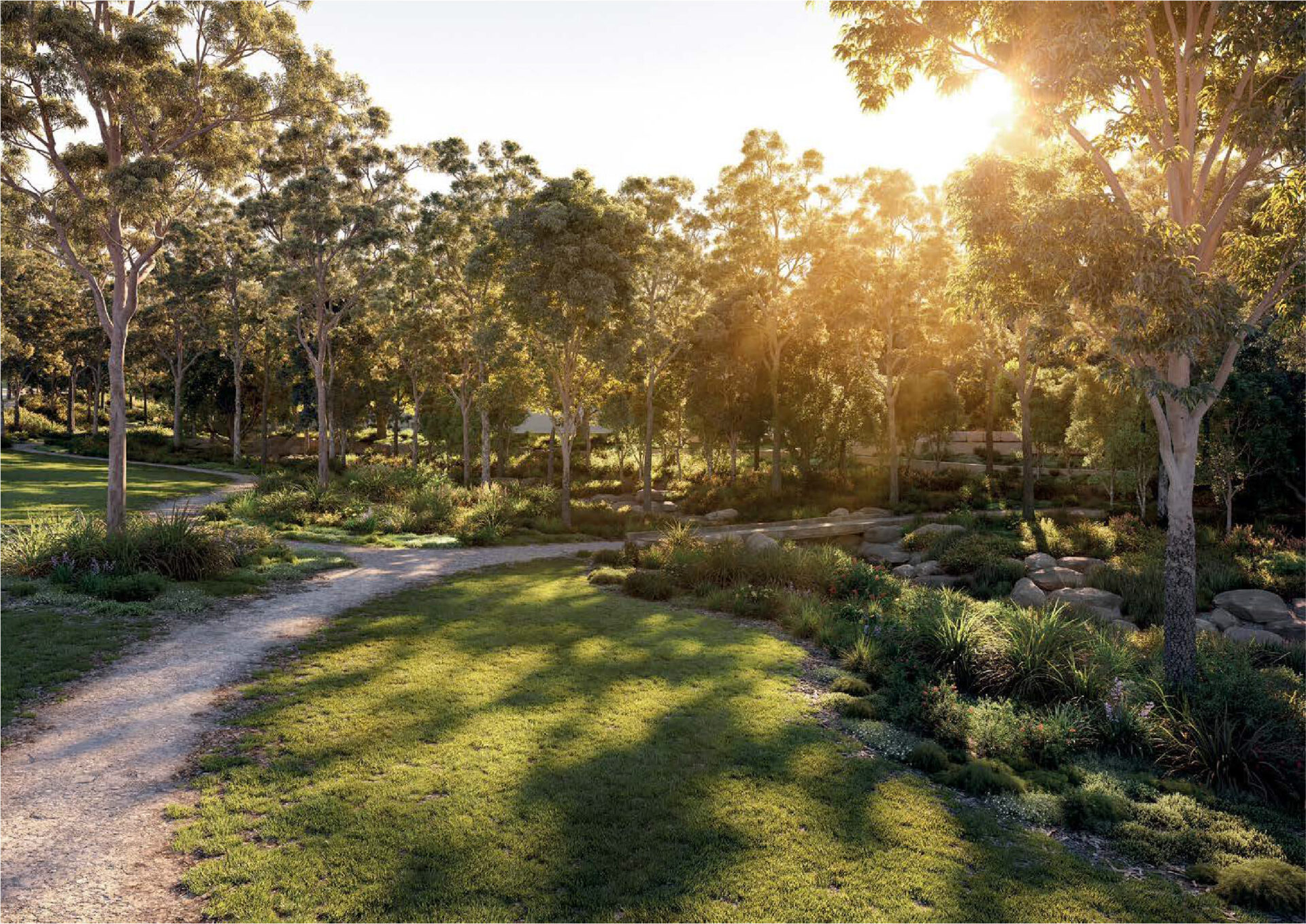
Position trees with large canopies to provide shade in summer and reduce glare from surrounding environment. Ensure tree locations and species optimise summer breezes.
Water Tanks
Installation of a rainwater tank in your home has environmental benefits like rainwater harvesting and reducing stormwater run off.
Water tanks can be used for non-potable household uses such as watering your garden, contributing to a more sustainable water future by reducing demand on water supplies. It can also reduce your household costs by reducing your water bill.
Water Efficient Fixtures
These measures can help reduce pressure on local water supplies, minimise wastewater generation, lower household utility costs and contribute to a more environmentally sustainable home.
- Showerheads with a flow rate of less than 7.5 litres per minute.
- Bathroom, kitchen and laundry taps with a flow rate of less than 6 litres per minute.
- Dishwashers that use 14 litres of water or less per cycle.
- Washing machines that use 90 litres of water or less per cycle.
Careful selection of fixtures and appliances throughout your home can play an important role in improving water efficiency and supporting more sustainable household water use.
Solar Panels
The inclusion of solar panels on your home offers can lower your electricity bills and reduce your carbon footprint by using clean, renewable energy. Investment in a solar battery will provide power regardless of the weather or the time of day without having to rely on backup power from the grid.
Energy Efficient Appliances
Installation of energy efficient appliances can significantly reduce your energy bills and reduce your environmental impact by lowering greenhouse gas emissions.